


So i found this on my new Jerusalem artichoke
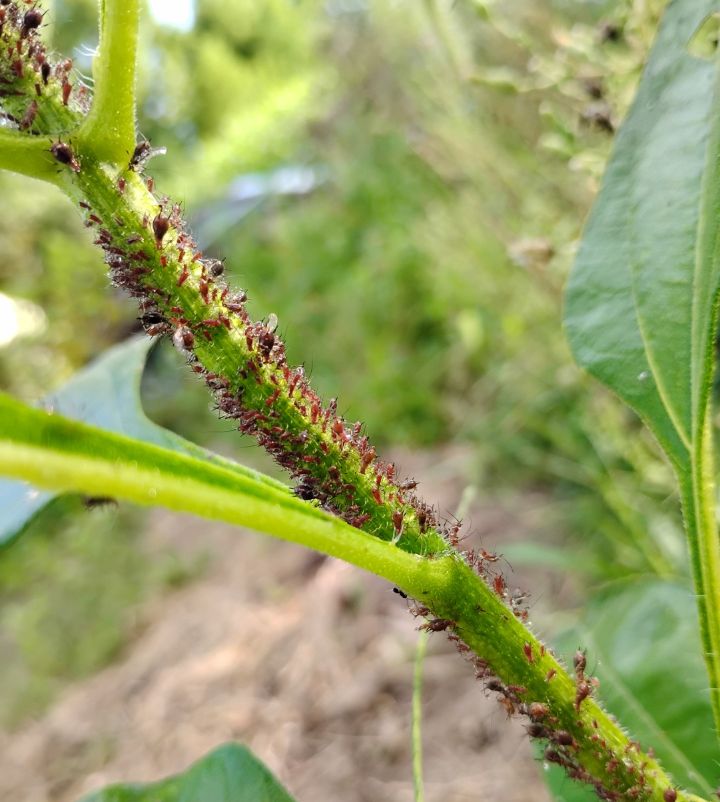
I guess the aphids wanted to welcome the new guy. I have hundreds of established plants growing wild but they eat the one i spend money on. Oh well
It's kinda like amaranth, i have this one that looks horrible
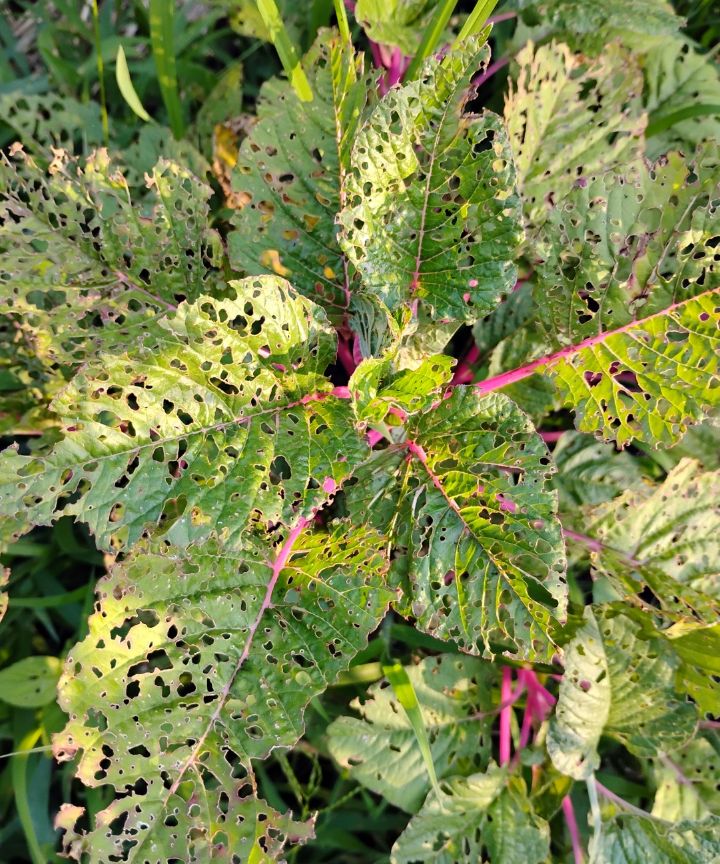
My cabbage looks better and my cabbage does not look good. I once grew a Bolivian amaranth that did equally as bad but it was from bolivia so i forgave it. For some reason the closely related native lambsquarter is untouched and the native red root pigweed gets eaten a little bit but not terrible
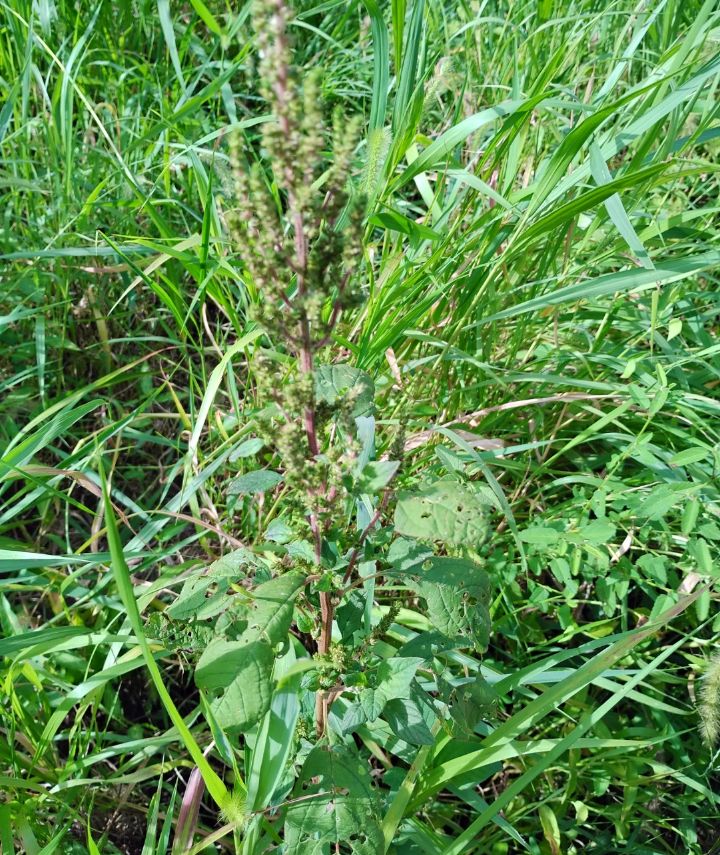
Maybe one day I'll domestic one or both of those.
And my beans have a bad case this year of fleahopper. At least i believe it's fleahopper, some kind of sapsucker. And they dont really care which species, they get vulgaris the worst but they like limas and tepary and others
And i don't usually try to grow eggplant because they get eaten so bad when they're little, if i had a greenhouse i might change my mind.
And little worms get the tomatillos, and Japanese beetles eat my montmorency leaves and if only Colorado would keep their potato beetle. Now that i think about it, it's kinda strange Colorado has a beetle known as that beetle that eats that plant from South America.
And believe it or not tobacco is heavily eaten
And if you're bold enough to grow plums, you know what curculio can do
And at the end of all this you're probably expecting me to tell you how i manage them, but for the most part the answer is, i don't.
I'll protect my investment in my sunchoke by rubbing off the aphids, but if it's something like amaranth or cabbage that gets destroyed every year, I see if there are better alternatives. Kale usually does a little better. I might start selecting for more resistant plants. I got a tomatillo that seems more reliable to me, an eggplant that's a little better than some on the market.
Sometimes all you have to do is grow more. The ecosystem can support eating a few of this or that but a big patch regularly planted will have a big predator load and survives better
Insects are somewhat seasonal too. It depends on the year. I've had the same squash produce abundance one year and nearly nothing the next, mostly from rainfall, but insects are highly rainfall sensitive.
And it's not usually an all or nothing. Insects do some damage and you live with it
And you diversify, one because it's more fun and two because you'll have something work. Don't count your failures, count your success.
In a different thread @Meadowlark was talking about how parsnips and celery are very difficult to grow in Texas. I've never succeeded at celery. My brother tells me there's some Chinese celery i should try, one day i probably will. Grow whats good for you.
It's a real shame seed suppliers can't tell you what will work well. You want to say they haven't grown them themselves. Or everything is grown in a greenhouse
For example, bakers creek, one of the biggest seed companies in the us and not geographically very far from me says this about their Australian onion
"This variety produces extra fine, large bulbs with superb flavor! The yellow-brown roots are a standard on our farm for their reliable quality."
Now let's overlook the fact they called the onion bulb a root, or maybe they are only eating the literal roots because there is no way they are getting large bulbs from the seed they are selling without a greenhouse. But they don't say that.
To be fair they do a good job with 99% of what they sell. But it's still very much a buyer beware system.
So don't get discouraged because that colored cactus wasn't going to stay that way, and you had no hope of growing your hardy fig plantation in iowa. And you can't stay on top of the weeds and the rain doesn't fall when you want it and sometimes it's too hot
I learned today about this weed i have growing called a hog peanut, never knew the name before but apparently there's a couple of us out there that grow it intentionally for the little "peanuts" underneath it. So i had to go see if i had any. Didn't find any nuts. But i found this
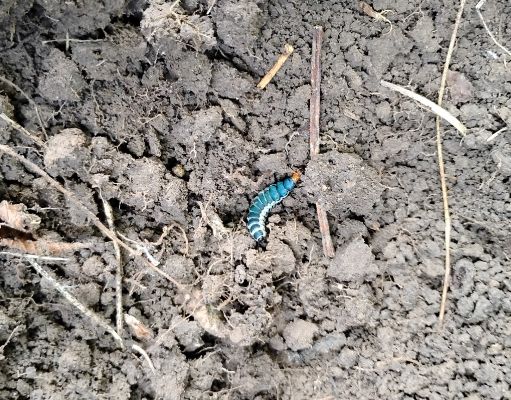
As Styropyro would say, "pretty cool right"
I don't know what it is, if anyone knows let me know.
I dug up some munson plums because i wanted to be able to ship them this fall, i didn't know if they'd survive being dug up in early July especially because they grow as root sprouts kinda like sassafras if you've ever tried to dig up sassafras. Well 90% of them defoliated, but they leafed back out so i think they'll be in good shape.
And we got the first taste of cooler weather this weekend. A beautiful day
Happy gardening
I guess the aphids wanted to welcome the new guy. I have hundreds of established plants growing wild but they eat the one i spend money on. Oh well
It's kinda like amaranth, i have this one that looks horrible
My cabbage looks better and my cabbage does not look good. I once grew a Bolivian amaranth that did equally as bad but it was from bolivia so i forgave it. For some reason the closely related native lambsquarter is untouched and the native red root pigweed gets eaten a little bit but not terrible
Maybe one day I'll domestic one or both of those.
And my beans have a bad case this year of fleahopper. At least i believe it's fleahopper, some kind of sapsucker. And they dont really care which species, they get vulgaris the worst but they like limas and tepary and others
And i don't usually try to grow eggplant because they get eaten so bad when they're little, if i had a greenhouse i might change my mind.
And little worms get the tomatillos, and Japanese beetles eat my montmorency leaves and if only Colorado would keep their potato beetle. Now that i think about it, it's kinda strange Colorado has a beetle known as that beetle that eats that plant from South America.
And believe it or not tobacco is heavily eaten
And if you're bold enough to grow plums, you know what curculio can do
And at the end of all this you're probably expecting me to tell you how i manage them, but for the most part the answer is, i don't.
I'll protect my investment in my sunchoke by rubbing off the aphids, but if it's something like amaranth or cabbage that gets destroyed every year, I see if there are better alternatives. Kale usually does a little better. I might start selecting for more resistant plants. I got a tomatillo that seems more reliable to me, an eggplant that's a little better than some on the market.
Sometimes all you have to do is grow more. The ecosystem can support eating a few of this or that but a big patch regularly planted will have a big predator load and survives better
Insects are somewhat seasonal too. It depends on the year. I've had the same squash produce abundance one year and nearly nothing the next, mostly from rainfall, but insects are highly rainfall sensitive.
And it's not usually an all or nothing. Insects do some damage and you live with it
And you diversify, one because it's more fun and two because you'll have something work. Don't count your failures, count your success.
In a different thread @Meadowlark was talking about how parsnips and celery are very difficult to grow in Texas. I've never succeeded at celery. My brother tells me there's some Chinese celery i should try, one day i probably will. Grow whats good for you.
It's a real shame seed suppliers can't tell you what will work well. You want to say they haven't grown them themselves. Or everything is grown in a greenhouse
For example, bakers creek, one of the biggest seed companies in the us and not geographically very far from me says this about their Australian onion
"This variety produces extra fine, large bulbs with superb flavor! The yellow-brown roots are a standard on our farm for their reliable quality."
Now let's overlook the fact they called the onion bulb a root, or maybe they are only eating the literal roots because there is no way they are getting large bulbs from the seed they are selling without a greenhouse. But they don't say that.
To be fair they do a good job with 99% of what they sell. But it's still very much a buyer beware system.
So don't get discouraged because that colored cactus wasn't going to stay that way, and you had no hope of growing your hardy fig plantation in iowa. And you can't stay on top of the weeds and the rain doesn't fall when you want it and sometimes it's too hot
I learned today about this weed i have growing called a hog peanut, never knew the name before but apparently there's a couple of us out there that grow it intentionally for the little "peanuts" underneath it. So i had to go see if i had any. Didn't find any nuts. But i found this
As Styropyro would say, "pretty cool right"
I don't know what it is, if anyone knows let me know.
I dug up some munson plums because i wanted to be able to ship them this fall, i didn't know if they'd survive being dug up in early July especially because they grow as root sprouts kinda like sassafras if you've ever tried to dig up sassafras. Well 90% of them defoliated, but they leafed back out so i think they'll be in good shape.
And we got the first taste of cooler weather this weekend. A beautiful day
Happy gardening