I uploaded your first picture to claude and gave it the location:
Claude:
Catalpas are proper drama queens — those big leaves shed water faster than almost anything, so they're always the first to flop the moment the soil dries out. Given the record heatwave at the end of May and the warm dry spells we've had since, my money's on simple heat/water stress rather than anything sinister, especially if it wasn't watered much through the hot spell.
The reassuring tell is the pattern: drought wilt is fairly even across the crown and hits the topmost, outer leaves first while the lower/inner ones stay greener and firmer. If a smaller-leaved tree nearby (an acer, say) looks fine, that fits too.
The one thing I'd rule out is Verticillium wilt — catalpa is one of the plants it hits most, and annoyingly it flares in exactly this hot dry weather. Easiest way to tell them apart: slice into one of the worst-affected twigs. Clean pale wood = thirst. Brown/black or olive-green streaking under the bark = Verticillium.
If it's just stress (most likely), it's an easy fix:
Water deep and slow — a hose trickling at the base for an hour or two, or a few full cans every few days, soaking the whole root area out to the edge of the canopy. Beats a daily splash that never gets down to the roots.
Mulch 5–8cm of bark/compost over the root zone (keep it off the trunk) to hold the moisture.
Don't feed it while it's stressed — you'll just push growth it can't water.
Watch for a few days. Genuine drought wilt usually perks up after a good soak, often by next morning. If it keeps going downhill branch by branch despite watering, think again about Verticillium.
No chemical cure for Verticillium, but it's not a death sentence either — plenty of trees live with it for years on the same gentle care (water, light feeding once recovered, prune out dead wood and clean your tools after).
RHS page if useful:
https://www.rhs.org.uk/disease/verticillium-wilt
Has it had any water since the heat broke? And whole-crown droop or just one side/branch?
End:
All that made me think about identifying fungal attacks in my garden. I found it difficult to find examples at first, when the infection was new. My technique did not cover enough ground so to speak so at first my results were negative. So, between an unchecked pathogen growing and my continued puzzlement driving me to continue looking, eventually we met.
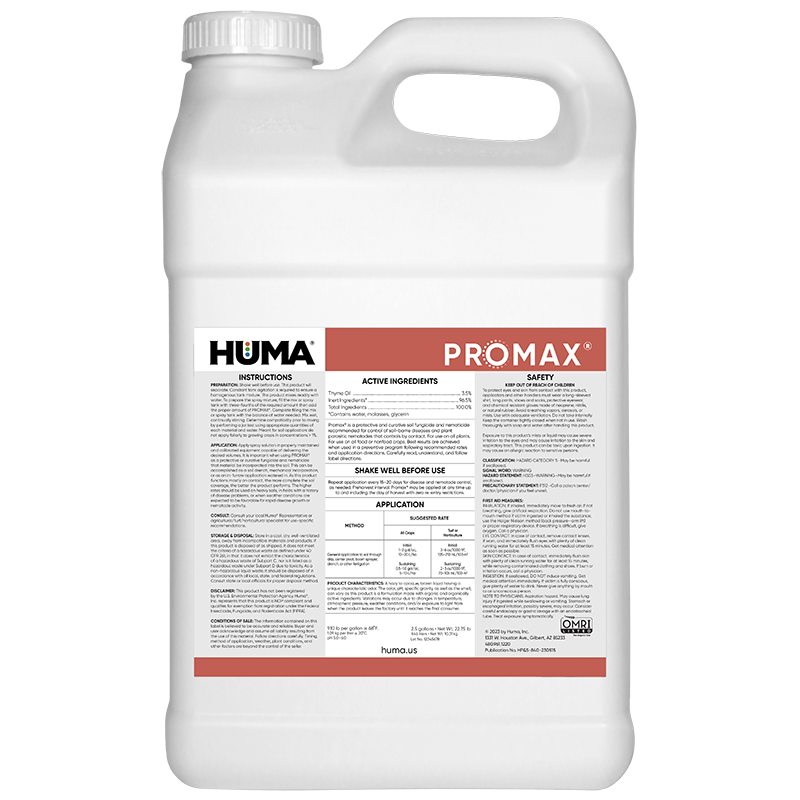
At that part I began trying to understand remediation ideas and came upon two that worked better than others. If you look into potassium salts of phosponic acid you find phosphate products are used to battle fungal pathogens as systemics. There are other systemics as well. Agra-fos is the brand I bought. I also learned that certain sprayable essential oils like thyme oil kill back verticillium at a high rate, like 80-90%. I saw a petri dish picture of the effect of many oils, garlic and so forth and it was impressive. There are agricultural products like promax that have plant friendly blends. The oils go on the outside and the phosphates on the inside. Another fun friend comes along when you use corn meal. Its a little guy called trichoderma. It eats other fungi, so do think about biological warfare.
Huma Promax, our broad-spectrum soil fungicide crop protection product, is formulated to deliver maximum performance with minimum residual effects.

huma.us